4 December 2025
Relocating the Koonung Creek Main Sewer
To make room for new lanes on the Eastern Freeway, sections of Melbourne's sewer network, including the Koonung Creek Main Sewer, need to be relocated. This sewer, which runs alongside and under the freeway, services thousands of homes and businesses in Melbourne’s east.
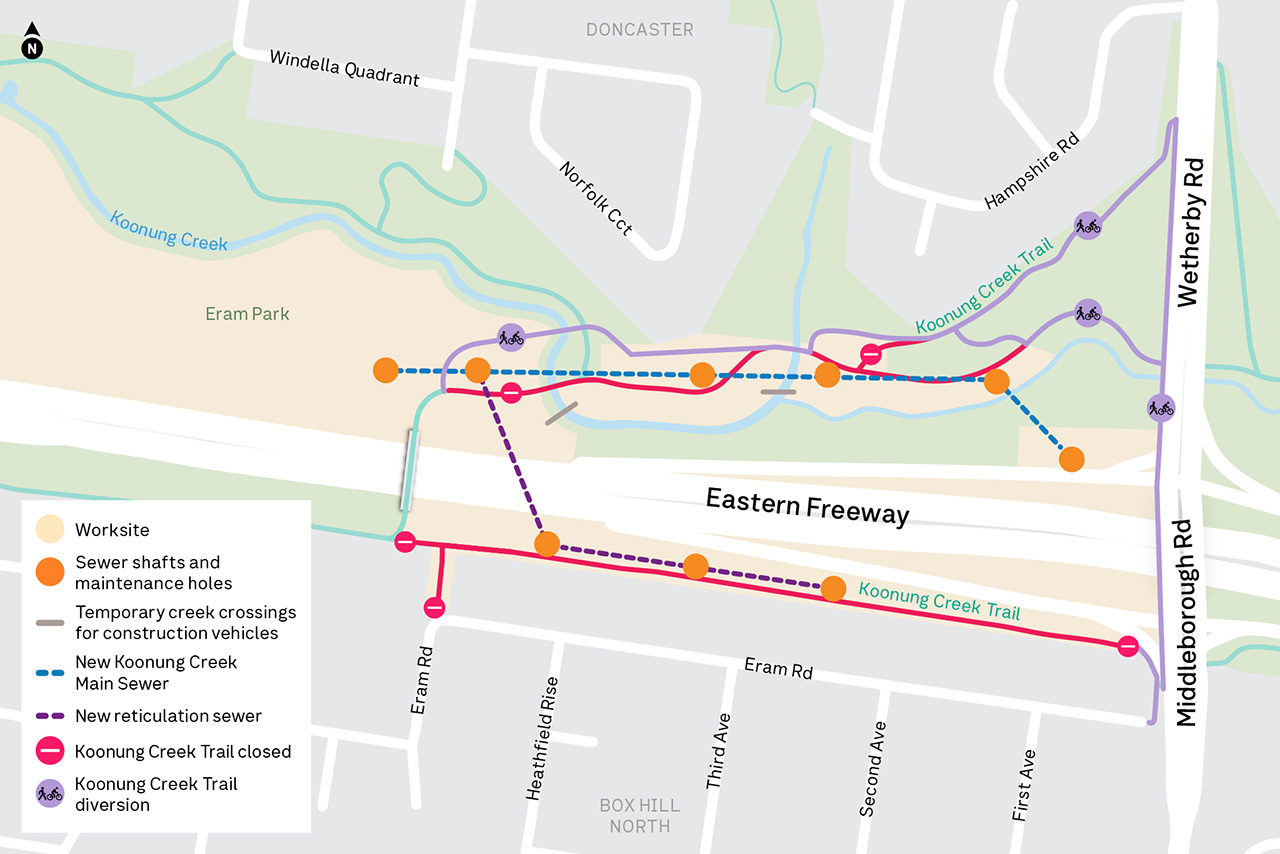
From late 2025 we'll work along the Koonung Creek Trail, and in Eram Park and the Koonung Creek Linear Park to relocate this essential infrastructure.
The works will include bored piling and excavation to build tunnel shafts and maintenance holes, and using a mini tunnel boring machine (TBM) to dig a new sewer main.
Works behind Eram Road and in Koonung Creek Linear Park
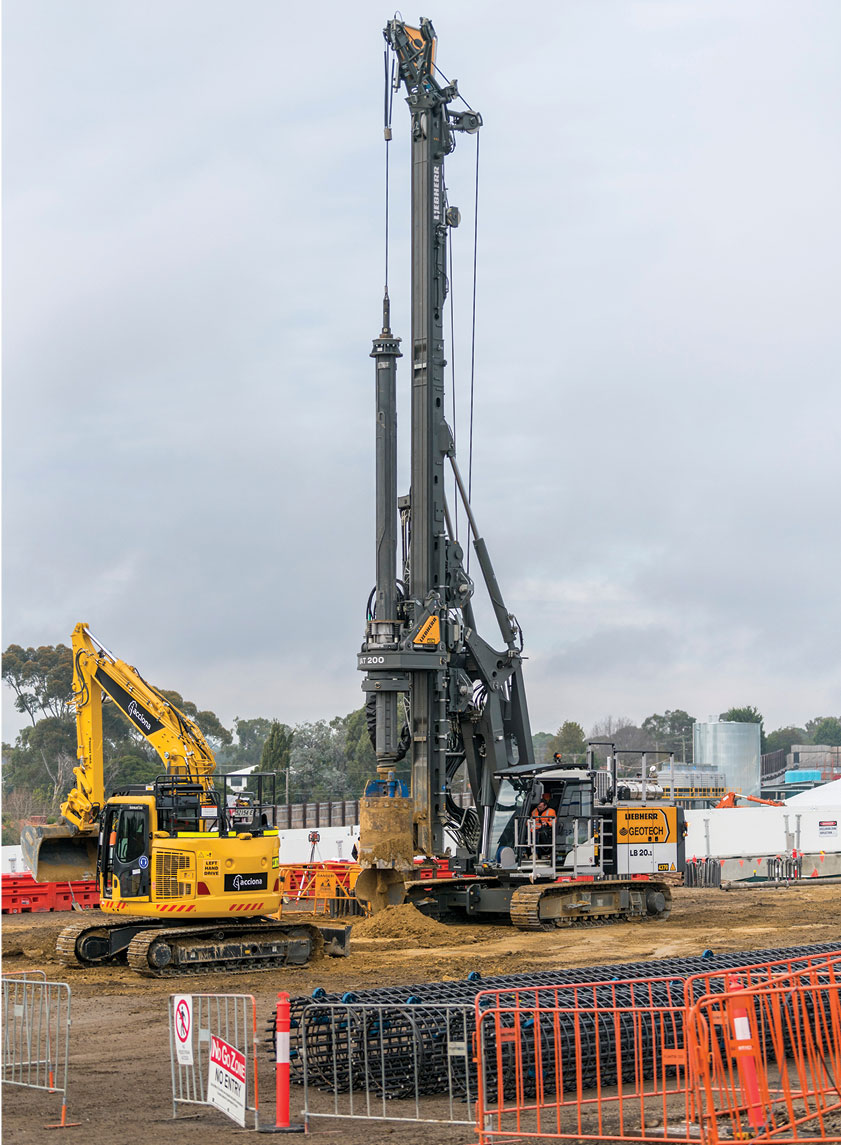
We'll start by building temporary launch and retrieval shafts for the mini TBM. This involves digging an up to 9 metre wide and 12 metre deep hole. We’ll use a piling rig to dig deep holes around the perimeter, which will be filled with concrete and reinforcements to create the vertical walls of the shaft. An excavator will then remove the material from inside the shaft.
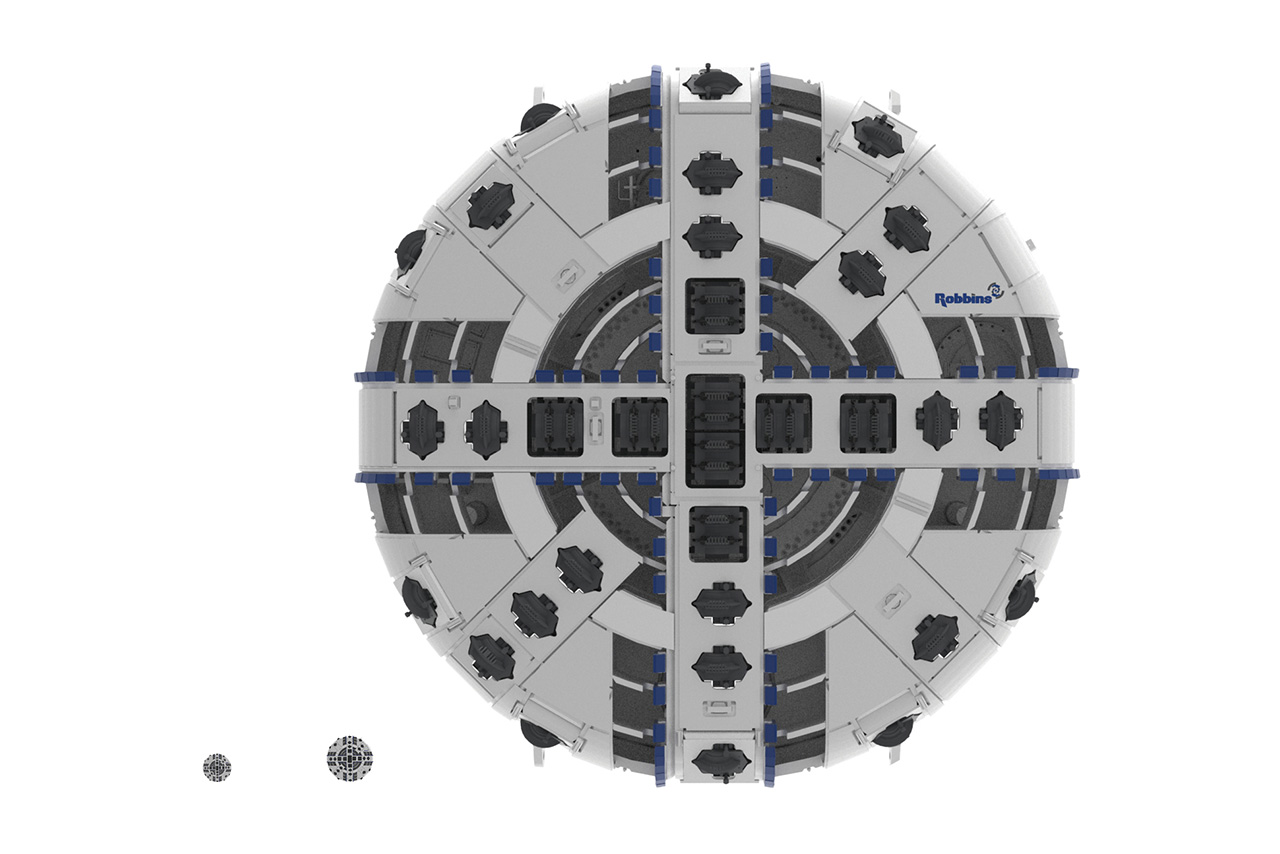
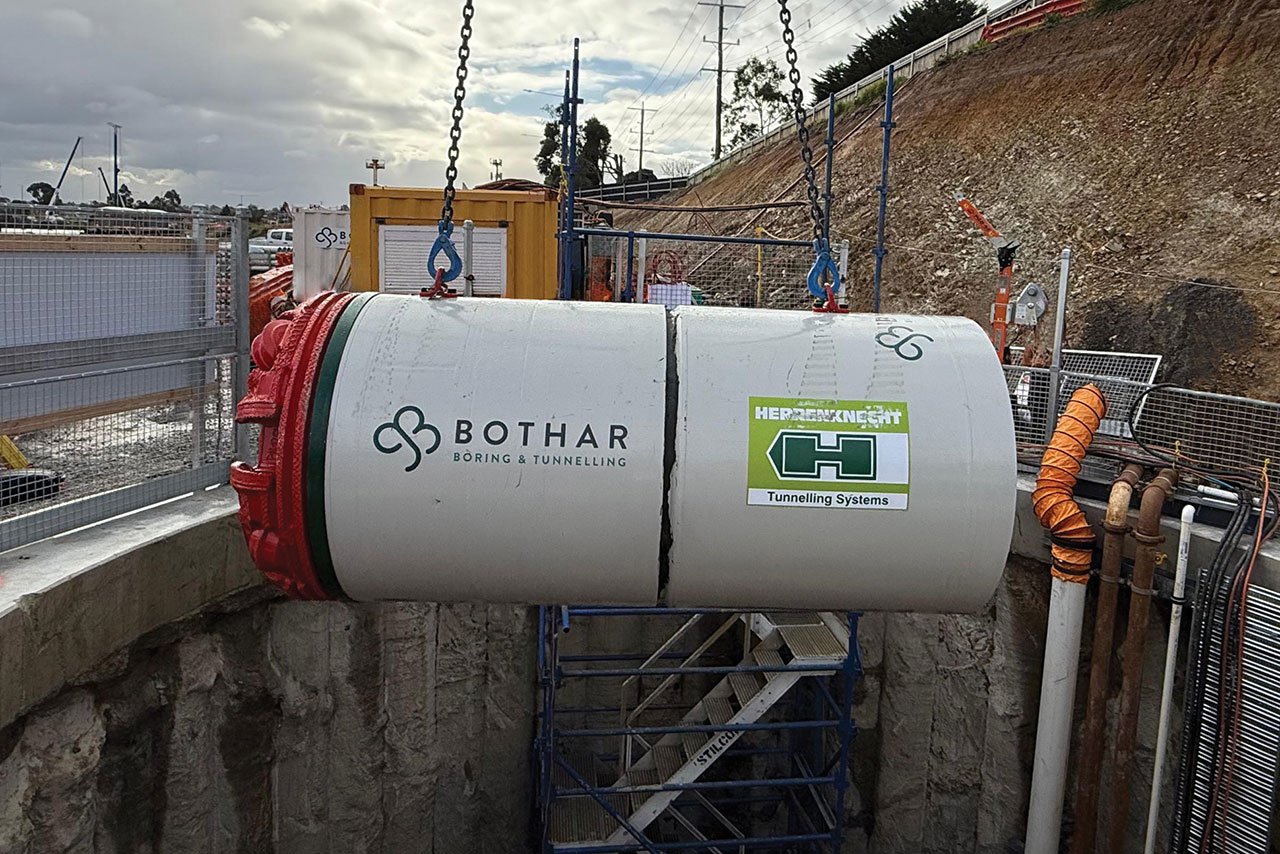
The mini TBM, which is around 1 metre in diameter, will begin tunnelling from Eram Park. It will tunnel east towards Wetherby Road, being retrieved and launched again at each shaft. The mini TBM will operate between 7 and 14 metres underground.
We'll also relocate the existing reticulation sewer, which runs under the freeway and behind Eram Road.
These smaller sewer pipes connect nearby homes to the Koonung Creek Main Sewer. We'll use a smaller TBM, around 55 centimetres in diameter, to tunnel this section.
Homes will stay connected to the network while we tunnel the new sewer.
What to expect
We'll be working behind Eram Road and in Koonung Creek Linear Park from December 2025 until late 2026. You’ll notice workers and construction vehicles in the area.
Construction vehicles will access the sites from our freeway entry and exit points and access tracks within our worksites. You may notice vehicles crossing the Koonung Creek Trail, which will be managed under traffic control.
During sewer works, we will have multiple excavators, cranes, piling rigs and mini TBMs operating in our worksites. This machinery is expected to generate increased levels of noise, dust and vibration at times.
We’ll also have equipment on site such as a control centre and generators to operate the mini TBMs. This equipment will also generate increased levels of noise at times.
Excavated material will be transported to an approved disposal facility in covered tip trucks via the freeway.
How we’ll manage impacts
As with all construction projects, there will be some noise, dust and vibration impacts to the community. These impacts will be closely managed and must comply with the project's strict Environmental Performance Requirements (EPRs).
We'll work closely with impacted residents to provide additional information on works, timing and how we propose to manage the expected disruptions.
Fast facts
What is bored piling?
Bored piling is a way to build concrete columns in the ground called piles. A piling rig drills holes into the ground using a corkscrew shaped drill. Once the desired depth is reached, a reinforcement steel cage is lowered into the hole, concrete is then poured into the hole to set the pile structure.
What is a Tunnel Boring Machine (TBM)?
A TBM is a machine that excavates soil and rock from the ground to create a tunnel, while making little disturbance above ground.
Keeping you up to date
Contact us: You can contact us on 1800 105 105 or contact@bigbuild.vic.gov.au
Sign up for updates: If you would like to receive SMS or email updates, visit: SMS or email updates.
For languages other than English please call 92090147. If you need assistance due to a hearing or speech impairment, please visit relayservice.gov.au