To keep traffic moving on freeways and arterial roads we regularly need to carry out works at night. Construction work creates noise, particularly during piling and jack-hammering rock. We work at night when what we are doing isn't suitable for the daytime. This includes heavily disruptive works that require multiple lane closures and works that need 24/7 operation, from start to finish.
We aim to undertake daytime works where possible and understand that noise created from nightworks can be disruptive and impactful to local residents.
On site, there are multiple noise management strategies in place to minimise noise. These include:
- temporary and permanent noise walls
- noise blankets
- changing construction methods to minimise noise, such as using solar-powered lights instead of diesel generators.
For residents impacted by noise, we offer temporary relocation or white noise machines to support locals through noisy periods throughout the project.
We work within our (Environmental Performance Requirements (EPRs), which outline strict decibel readings that the project must be under. Prior to starting work at night, we must obtain approval from an Independent Environmental Auditor. As part of this process, we must demonstrate the need for the night works, produce modelling that predicts the noise impacts associated with the works, outline how we will manage the works on site and notify our local residents.
We manage impacts for nearby residents and businesses with a range of measures such as adjusting the time of planned works, offering temporary relocation, or changing construction methods to reduce noise. During construction, on-site noise monitors are used to check noise levels remain within predicted modelled levels. The project's environmental specialists will also carry out overnight monitoring near properties during construction. If the monitoring shows noise levels above the predicted levels, we will make adjustments on site to address this.
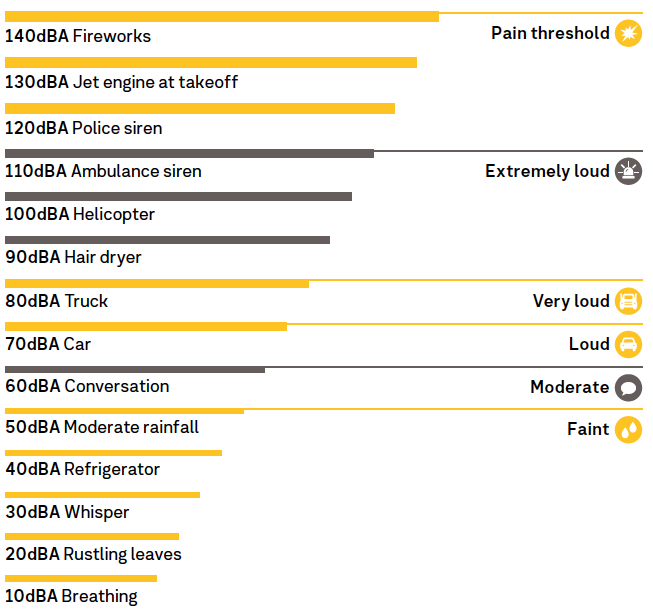
We are also installing 11km of new and upgraded noise walls on the Eastern Freeway as part of the project, with 63dba protection during the day and 58dba protection at night. This means that noise will not exceed these limits in local streets around the North East Link project when it is completed.